
Live Casino at Sneket
Live casino is the part of the lobby that behaves least like software. Real dealers, real cards and a real wheel, streamed from a studio in real time, with a chat box and other players at the table. At Sneket the live section is supplied by Evolution Gaming, Pragmatic Play Live and Playtech. This guide covers what is available, how the maths differs from RNG games, what the limits look like, and the practical things worth knowing before you take a seat.
Open the live tables at Sneket →
What live casino actually is
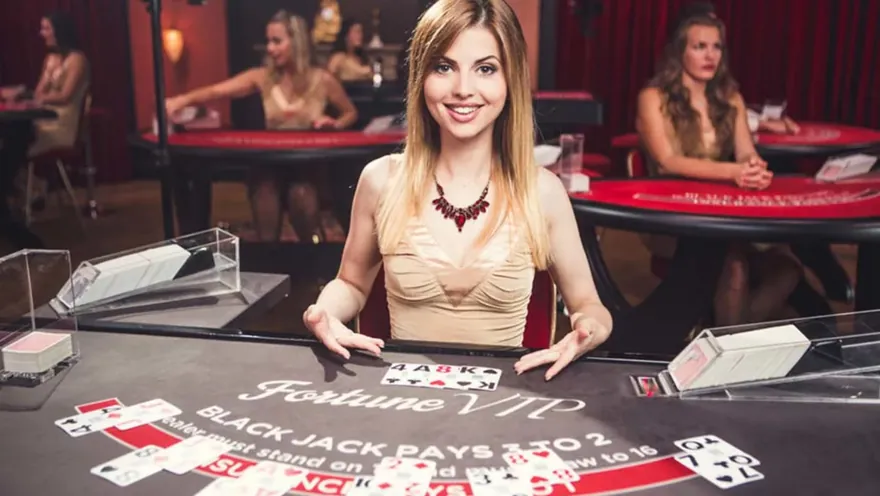
A live table is a physical table in a licensed studio, filmed by several cameras and streamed to you with a betting interface layered on top. The dealer is a trained employee working a shift. The cards come out of a real shoe, the ball drops onto a real wheel, and optical character recognition reads the outcome and pushes it to the interface within a second. Nothing about the result is generated by software — the software only transports and records it.
That distinction matters more than it sounds. On an RNG game you are trusting a certified algorithm you cannot see. On a live table you are watching the event happen, uncut, from angles that make sleight of hand impractical. For a lot of players that visibility is the entire appeal, and it is why the live section keeps growing even though the underlying games are centuries old.
Who runs the tables
Three studios supply the live section:
- Evolution Gaming
- Pragmatic Play Live
- Playtech
Evolution Gaming is the reference point for the whole category. It runs the bulk of the classic tables and every game-show format — Crazy Time, Lightning Roulette, Monopoly Live and their relatives — from purpose-built studios across several countries. Pragmatic Play Live operates its own roulette and blackjack rooms and has grown quickly; its tables tend to have lower minimum stakes, which makes them the easier place to start. Playtech adds further table variants and some region-specific rooms.
Knowing which studio you are sitting at is genuinely useful, because house rules vary between them. Blackjack side bets, roulette wheel type and the exact payout on a game-show bonus round are set by the studio, not by the casino. The studio name is shown on the table thumbnail before you join.
Tables and game shows
The catalogue splits into two halves. The first is the classic table set: blackjack in a dozen variants, roulette in European, French and American layouts, and baccarat including squeeze and speed versions. These play exactly as they do in a physical casino, with the same odds and the same house edge.
The second half is the game-show category, which has no land-based equivalent at all. Crazy Time, Lightning Roulette, Monopoly Live and similar formats bolt multiplier mechanics and a presenter onto a wheel or a table. They are considerably more volatile than classic tables and carry a higher house edge in exchange for the bigger top prizes. Worth knowing before you assume a game show is simply roulette with better graphics.
How fairness works without an RNG
RNG games are certified by testing the code. Live games cannot be, because there is no code producing the result — so they are certified on procedure instead. Auditors check the shuffle protocol, the maintenance and balance of the wheel, the dealer training programme and the camera coverage. The optical recognition that reads each result is cross-checked against the dealer's manual entry, and any mismatch voids the round.
The important consequence for you: the house edge on a live table is exactly the same as on the physical version of that game. European roulette holds its 2.7% whether the wheel is in a studio or a casino floor. Live dealing does not improve your odds and it does not worsen them — it changes the experience, not the maths.

Table limits and bankroll
Live tables carry both a minimum and a maximum, and the spread between them is wider than most people expect. Entry-level roulette and blackjack tables typically start low enough for a modest bankroll, while VIP rooms start far above where a casual session should sit. Pick a table whose minimum is a small fraction of your session budget rather than one you can only afford a handful of hands at.
One practical difference from slots: a live table sets the pace, not you. A blackjack shoe deals roughly forty to sixty hands an hour whether you are ready or not, so money moves faster than it feels like it should. Decide your session budget before you sit down and treat the table minimum as the number that determines how long you can stay.
Connection and device
A stable stream needs about 3–5 Mbps, and around 8 Mbps for the top-quality feed. Stability matters more than headline speed — a two-second stall during a betting window can cost you the round, and no operator refunds a missed bet caused by your connection. If you are on mobile data, expect the occasional dropout and avoid the fastest-paced tables.
On phones the tables run in portrait with a reduced interface, which works well for roulette and baccarat and is tighter for blackjack side bets. If you play seriously, a tablet or desktop gives you the full betting layout and enough screen to see the dealer's hands clearly, which is part of why you came to a live table in the first place.
Bonuses at live tables
This is where a lot of players get caught. Live games usually contribute to wagering requirements at a much lower rate than slots — sometimes a fraction, sometimes nothing at all. A welcome bonus that clears comfortably on slots may be effectively impossible to clear at a live blackjack table, and some bonus terms exclude live play outright.
The clean approach is to keep the two separate: clear bonus funds on the games the terms actually favour, and play live tables with your own balance where no wagering condition applies to what you win. Check the specific terms rather than assuming, because contribution rates differ between individual offers at the same casino.
Etiquette and pace
Live tables are shared, and the betting window is short — usually ten to fifteen seconds. Decide your stake before the window opens rather than during it. The chat box is moderated and dealers respond to it, but they cannot discuss strategy or other players' hands, so treat it as conversation rather than a source of advice.
Because the pace is set externally, live play is the easiest place to lose track of time and spend. Set a session limit before you join and use the tools on our responsible gambling page. The social atmosphere that makes live tables enjoyable is exactly what makes an hour disappear without noticing.
Live casino FAQ
Which studios run the live tables?
Three: Evolution Gaming, which runs the bulk of the catalogue and every game show format; Pragmatic Play Live, which operates its own roulette and blackjack rooms; and Playtech, which fills in additional table variants. All three stream from licensed physical studios with real dealers and real equipment rather than software simulations.
Is live casino fair if there is no RNG?
Fairness comes from a different place here. Instead of a certified random number generator you have physical cards, a physical wheel and a camera that never cuts away, plus optical recognition that reads results and cross-checks them against the dealer's own entry. Studios are audited on procedure — shuffle protocol, wheel maintenance, dealer training — rather than on code. The house edge is identical to the land-based version of each game.
What internet connection do I need?
Roughly 3–5 Mbps for a stable standard stream and about 8 Mbps if you want the highest quality feed. Latency matters more than raw speed: a connection that stalls for two seconds during a betting window can cost you the round. Wi-Fi is usually fine; mobile data works but is more prone to the brief dropouts that hurt most.
Live casino gives you the one thing software cannot: an event you can watch happen. Three studios, real dealers and the same odds as the physical game, plus a game-show category with no land-based equivalent. Pick a table whose minimum fits your budget, check whether bonuses apply before you count on them, and treat the pace as the thing to manage.